 Pagos Contraentrega en un 80% del país
Contents
For beer and cider, drinkers had 7 to 28% higher risks of getting COVID-19 regardless of the amount they consumed, compared to non-drinkers. Conducted by researchers from Shenzhen Kangning Hospital and Southwest Hospital, they analysed 473,957 subjects from the UK Biobank cohort to investigate the association between alcohol consumption with COVID-19 risk and mortality. Founded and led by MIT alums and experienced professionals, DayToDay is dedicated to creating an unprecedented patient care experience before and after medical procedures. Our mobile app and platform provides turn-by-turn, personalized care content and interactive tools, and live chat with personal care coaches who take care of all our patients’ needs. We are a global company with operations in the US, India, & the UK.
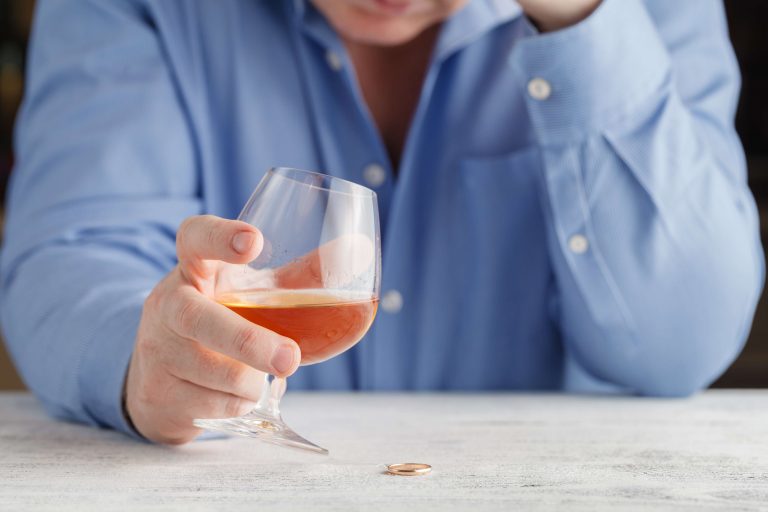
If you live with your partner, it’s a good idea to avoid alcohol consumption during uncertain or difficult times. Alcohol clouds judgment and makes it much more difficult to figure out viable solutions for moving forward. Alcohol sales at U.S. liquor and grocery stores were up 22% for the week ending March 28 compared with the same time last year, according to data compiled by Nielsen.
Alcohol and COVID-19: Good news for red wine drinkers, but blow for beer boozers?
Reducing health system utilisation from harmful alcohol use helps doctors focus both on patients with COVID-19 and on patients requiring urgent care for other conditions. For example, South Africa – one of the countries implementing an alcohol sales ban – experienced a 65% drop in access to emergency rooms for trauma-related cases linked with alcohol use during the pandemic. Third, a healthier and more productive population will be better able to help restart economic activities and social life in the aftermath of the pandemic.
Its consumption is more likely to increase the risks that comes with being infected with Covid. Alcohol can have some effect on your skin as a disinfectant, but it doesn’t work that way when put into your system. Some have said that the most effective ways to fight alcohol cravings and urges drinking hard liquor like whiskey, vodka, scotch, or bourbon (anything with 40% alcohol) destroys the Covid virus in the air. Drinking alcohol doesn’t kill any virus in the air, and it will not clean out your mouth and throat.
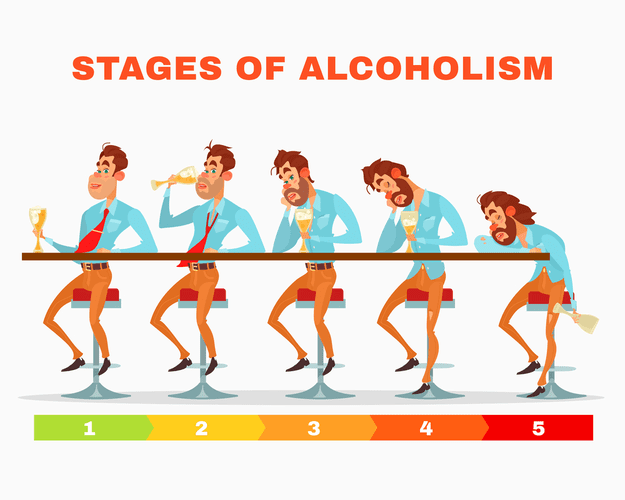
Apparently some people had some rumors that, um, some bad alcohol mixes could give her the virus, which were kill it. And that’s only true if it’s on the counter or, uh, a bag perhaps. And that’s if it’s a very high amount of, uh, Santa Tiser alcohol.
COVID-19 and Alcohol Consumption
PAG, LS, and SK drafted the manuscript; SEZ, NM, AHS, and GB revised and finalized the paper. One limitation of this study was the restricted age range of subjects from the UK Biobank, hence the results could not represent the young population and those of different countries. Even after a negative lab test, some symptoms like dry cough or sore throat may persist. One can do warm saline gargles and steam inhalation to improve the symptoms. Cough medicine can be taken if it is recommended by the consulting doctor. One should avoid consuming alcohol and tobacco completely.

They are likely the result of the relatively infrequent outcome and smaller proportion of women than men in the sample. This same limitation has implications for the power to detect other important correlates. Given the small number of relapse events, our ability to detect significant associations may be limited. This is particularly notable in cases where prior literature indicates a probable connection which was not detected in this study (i.e., COVID-related stressors). We look forward to other studies that can confirm our pattern of findings.
How opioids strained public health before COVID-19
The loss of routine is one of the biggest factors for relapse among recovering alcoholics. Lack of structure can also make non-alcoholics more likely to drink. transitional and sober living house in boston, ma Social distancing measures can make people feel alienated and uncomfortable. These undesirable feelings can increase the likelihood of alcohol consumption.
One study from 2020 showed a 14 percent jump in frequency of alcohol use among US adults. In summary, if you want to play it safe, you should avoid drinking after the COVID vaccine. But if you stick with moderation, you’ll most likely be perfectly fine.
- Second, early recovery appears to be a vulnerable period, and targeted support may be necessary for those with less time in recovery.
- One can do warm saline gargles and steam inhalation to improve the symptoms.
- With higher and higher rates of infection documented in bars throughout the country, we’re seeing an increasingly clear correlation between alcohol and the coronavirus.
- Table 2 shows unweighted frequencies and weighted percentages for recovery-related experiences during the COVID-19 pandemic in total and by gender.
- Weighted percentages allowed for inferences about the population of adults in recovery from AUD.
Heffner J.L., Blom T.J., Anthenelli R.M. Gender differences in trauma history and symptoms as predictors of relapse to alcohol and drug use. Since January 2020 Elsevier has created a COVID-19 resource centre with free information in English and Mandarin on the novel coronavirus COVID-19. The COVID-19 resource centre is hosted on Elsevier Connect, the company’s public news and information website. These permissions are granted for free by Elsevier for as long as the COVID-19 resource centre remains active. One must keep note of post covid symptoms or early warning signs like high body temperature, breathlessness, SPO2 less than 95%, focal weakness, the onset of confusion, and unexplained chest pain.
Alcohol and COVID: Help For Pandemic Drinking
Alcohol’s effect on the immune system is a weakening one, which makes it more likely you can catch a variety of infections and diseases. This is the same situation when it comes to alcohol and Covid. It is worse if you already have certain illnesses, such as pancreatitis and liver disease. These individuals have a higher chance of undergoing harsher covid-related symptoms. Dr. Beach, do you want to jump in and comment as well? I think, um, what dr ESIC pointed out in terms of the resources that we have online, especially if I’ve been struggling and I’m in recovery from, uh, either an alcohol or other substance abuse disorder.
However, changes in drinking behavior appear to have varied by gender. In the United States, at least two studies have found greater increases among women than men in both any drinking and heavy drinking (Barbosa et al., 2020, Pollard et al., 2020). It is essential to rest well, drink plenty of clear fluids, have a healthy, balanced diet, and recuperate at the speed one is comfortable.
Alcoholism & COVID-19
Men should cap their daily consumption at two alcoholic drinks. If you are drinking more than this, you may be at higher risk for health consequences from alcohol. Many people have started craving alcohol more during COVID-19 because they have found all of their usual routines disrupted. You may also be dealing with additional stressors, such as working from home and having your children learning remotely.
Even though it is not the healthiest choice, quarantine drinking may be a coping mechanism. This increase may have real consequences for people’s physical and mental health. In some ways, patients with an addiction alcohol can trigger headaches and migraines may be better prepared to deal with the social isolation we are feeling by being confined to home since that is what they are used to. However, they will not do well if they are allowed to remain isolated.
Drinking wine when CoVid positive
To recover, patients with alcoholic or substance use disorders must learn to believe in a higher power, although it doesn’t need to be God. It could be nature, or the collective wisdom of the group. If a person doubts there is a higher power, ask him why the sun will rise in the morning; no matter what he wants or believes, it will happen. He has no control over how the sun sets and rises, just as he is powerless over his own addiction.
As the COVID-19 pandemic started, there was a sharp uptick in alcohol sales across the country. Suddenly, toilet paper was not the only thing in short supply. Ria Health offers several FDA-approved medications for alcohol use disorder.